THE CZINGER 21C REDEFINES THE SUPERCAR RULEBOOK
2026-11-09By Clara Whitmore
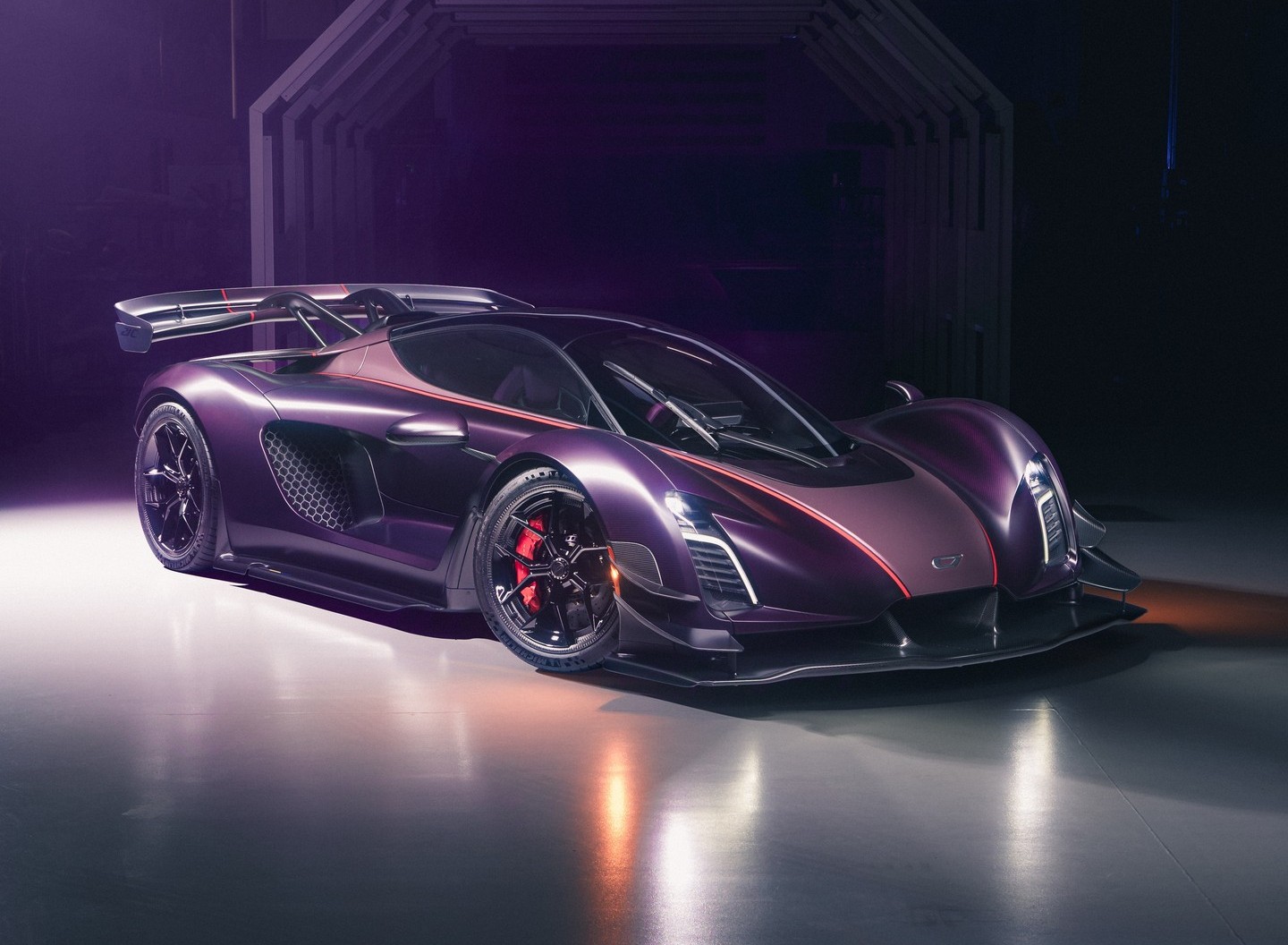
- An extraordinary American creation combines revolutionary manufacturing with extreme performance
- A bespoke hybrid V8 delivers astonishing power, complemented by advanced aerodynamics
- Record-breaking circuit performances are establishing Czinger among the world's automotive elite
The Czinger 21C is unlike almost anything else on the road. Developed by California-based manufacturer Czinger Vehicles, the extraordinary American supercar combines artificial intelligence, advanced 3D printing and an immensely powerful hybrid V8 to challenge the conventions of automotive engineering. With its dramatic tandem seating arrangement, intricate carbon-fibre bodywork and relentless pursuit of performance, the 21C represents one of the most ambitious supercar projects of the modern era.
First unveiled in 2020, the 21C was developed under the direction of company founder Kevin Czinger and his son Lukas, with the intention of fundamentally rethinking how high-performance cars are designed and manufactured. Rather than relying on conventional production methods, the company developed an advanced manufacturing process that combines computational design, additive manufacturing and automated assembly to create components of extraordinary complexity.
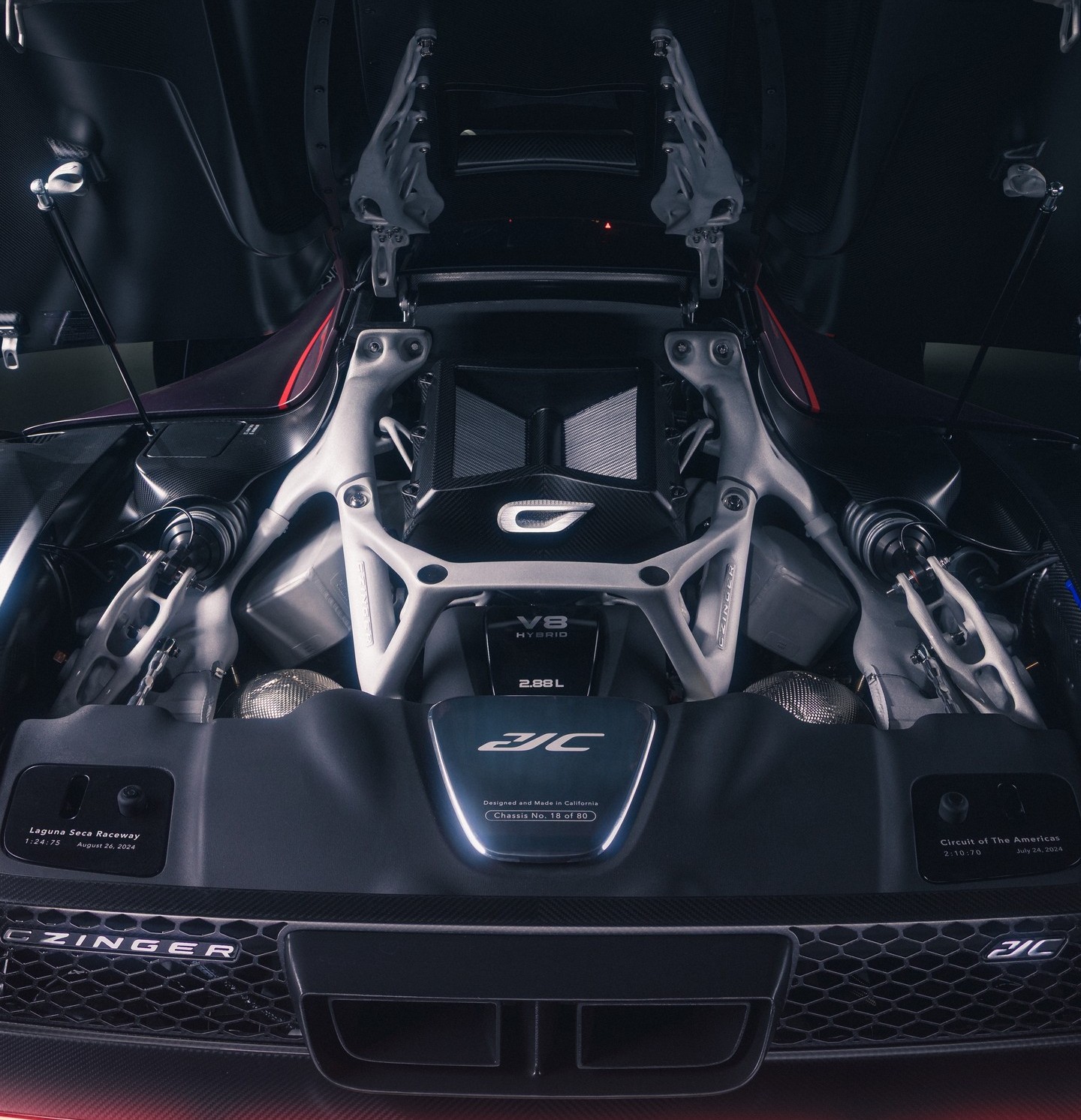
ENGINEERING WITHOUT CONVENTION Perhaps the most remarkable aspect of the 21C is its construction. Using sophisticated artificial intelligence and computational engineering, Czinger has developed intricate structural components that would be virtually impossible to manufacture using traditional techniques. Many of these elements are produced through advanced 3D printing, resulting in lightweight, highly optimised structures that combine exceptional strength with remarkable visual complexity.
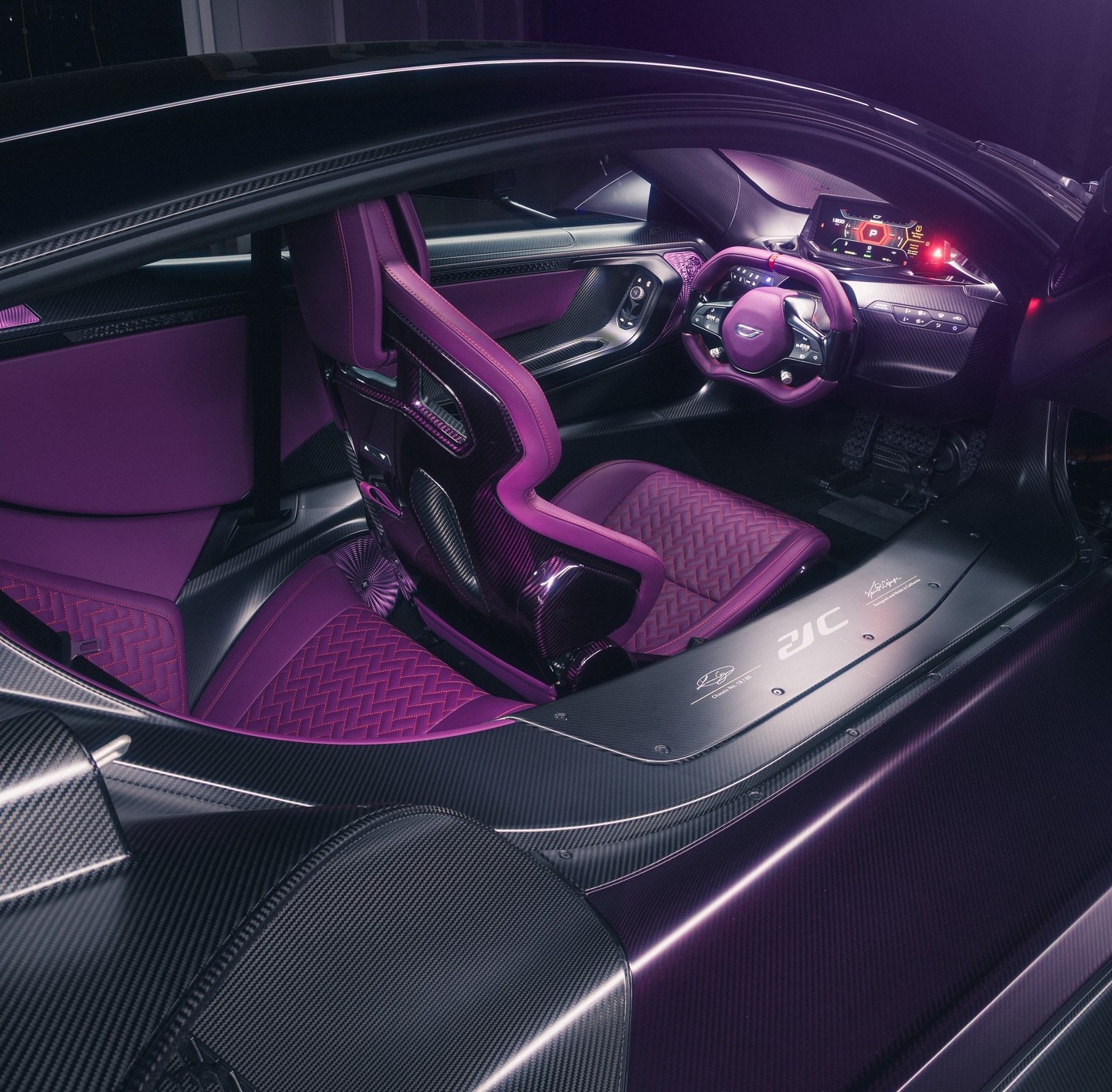
The car's distinctive tandem seating configuration places the passenger directly behind the driver, creating an exceptionally narrow cockpit reminiscent of a fighter jet. This unusual arrangement improves aerodynamic efficiency while allowing the bodywork to wrap tightly around the underlying mechanical components.
Extensive carbon-fibre construction, sophisticated suspension geometry and carefully integrated aerodynamic elements further reinforce the 21C's uncompromising approach to performance.
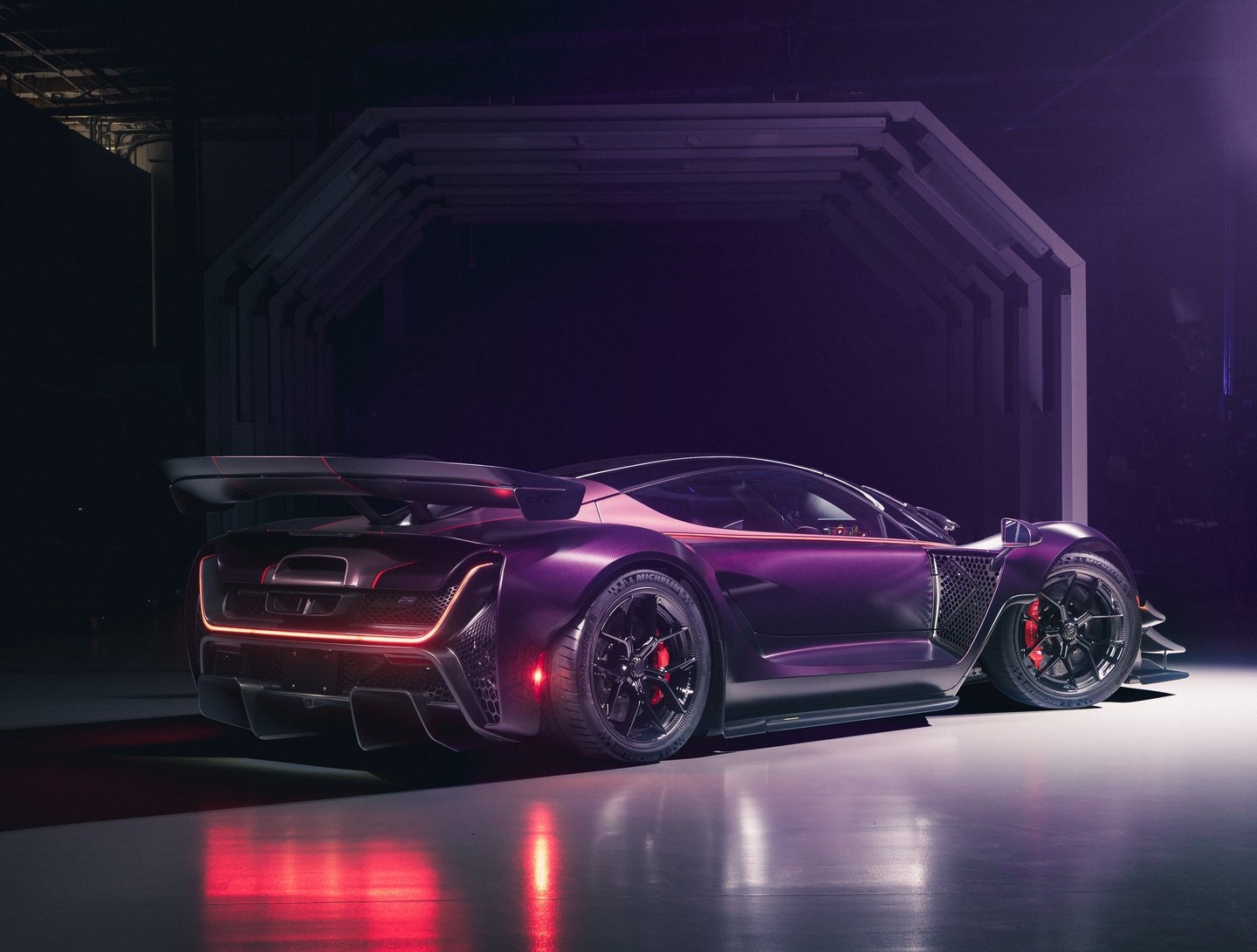
1250HP OF HYBRID V8 POWER At the heart of the 21C sits a remarkable 2.88L twin-turbocharged V8, developed entirely in-house and capable of reaching an extraordinary 11,000rpm. The compact flat-plane-crank engine produces approximately 750hp independently, while an advanced 800V hybrid system contributes an additional 500hp through its electric motors.
Combined output stands at an astonishing 1250hp and 938nm of torque, with an optional 1350hp configuration also available. Power is distributed through a sophisticated all-wheel-drive system, incorporating two electric motors that independently drive the front wheels and a seven-speed automated manual transmission for the combustion engine.
The resulting performance is extraordinary. Czinger quotes a 0-62mph (0-100km/h) acceleration time of approximately 1.9 seconds, while the low-drag 21C VMax is capable of reaching a remarkable 253mph (407km/h).
BUILT TO BREAK RECORDS The 21C's extraordinary engineering has translated into an impressive collection of circuit records. Among its most significant achievements is the production-car lap record at Laguna Seca, where the high-downforce variant recorded an astonishing 1:22.30 in December 2025, reclaiming the benchmark from rival manufacturer Koenigsegg.
The American supercar has also established records at the Circuit of the Americas and Goodwood Festival of Speed, where it completed the famous hillclimb in approximately 49.4 seconds.
In 2025, Czinger undertook its ambitious California Gold Rush challenge, driving the road-legal 21C between five different racing circuits over five days and establishing a production-car lap record at each venue. The achievement demonstrated not only the car's extraordinary performance capabilities, but also its ability to combine circuit dominance with genuine road usability.
THREE EXPRESSIONS OF THE 21C The 21C range has continued to evolve, with three distinctive configurations now available. The high-downforce HDF prioritises circuit performance, featuring an aggressive aerodynamic package capable of generating approximately 1500kg of downforce at 150mph (241km/h). Meanwhile, the streamlined VMax sacrifices some aerodynamic grip in pursuit of its extraordinary 253mph (407km/h) maximum speed.
More recently, Czinger introduced the 21C Spyder at Monterey Car Week in August 2026. Featuring a removable carbon-fibre roof, revised aerodynamics and innovative 3D-printed braking technology, the open-top variant brings an entirely new dimension to the remarkable platform.
Production of the Spyder will be limited to just 30 examples, with prices starting at approximately $2.75 million. Each car will be individually configured, allowing customers to personalise everything from exterior colours to the finishes of its intricately manufactured structural components.
THE FUTURE OF AUTOMOTIVE ENGINEERING With total 21C production limited to 80 examples, Czinger's extraordinary creation will remain an exceptionally rare sight. However, the significance of the project extends considerably beyond its exclusivity or remarkable performance figures.
By combining computational engineering, advanced manufacturing and an innovative hybrid powertrain, Czinger has demonstrated an entirely different approach to building high-performance automobiles. Its growing collection of circuit records provides compelling evidence that these unconventional methods can deliver genuinely extraordinary results.
The 21C is therefore more than simply another immensely powerful supercar. It represents a bold reimagining of automotive design and manufacturing, offering a fascinating glimpse into what the future of the supercar could become.