RIMAC NEVERA PRODUCTION ENDS WITH JUST 71 SUPERCARS
2026-11-13By Elliot Mercer
- Rimac confirms that production of its record-breaking electric supercar will conclude in 2026
- Just 71 examples will be completed, significantly fewer than originally anticipated
- Despite its extraordinary performance, the Nevera's early departure raises questions about demand for electric supercars
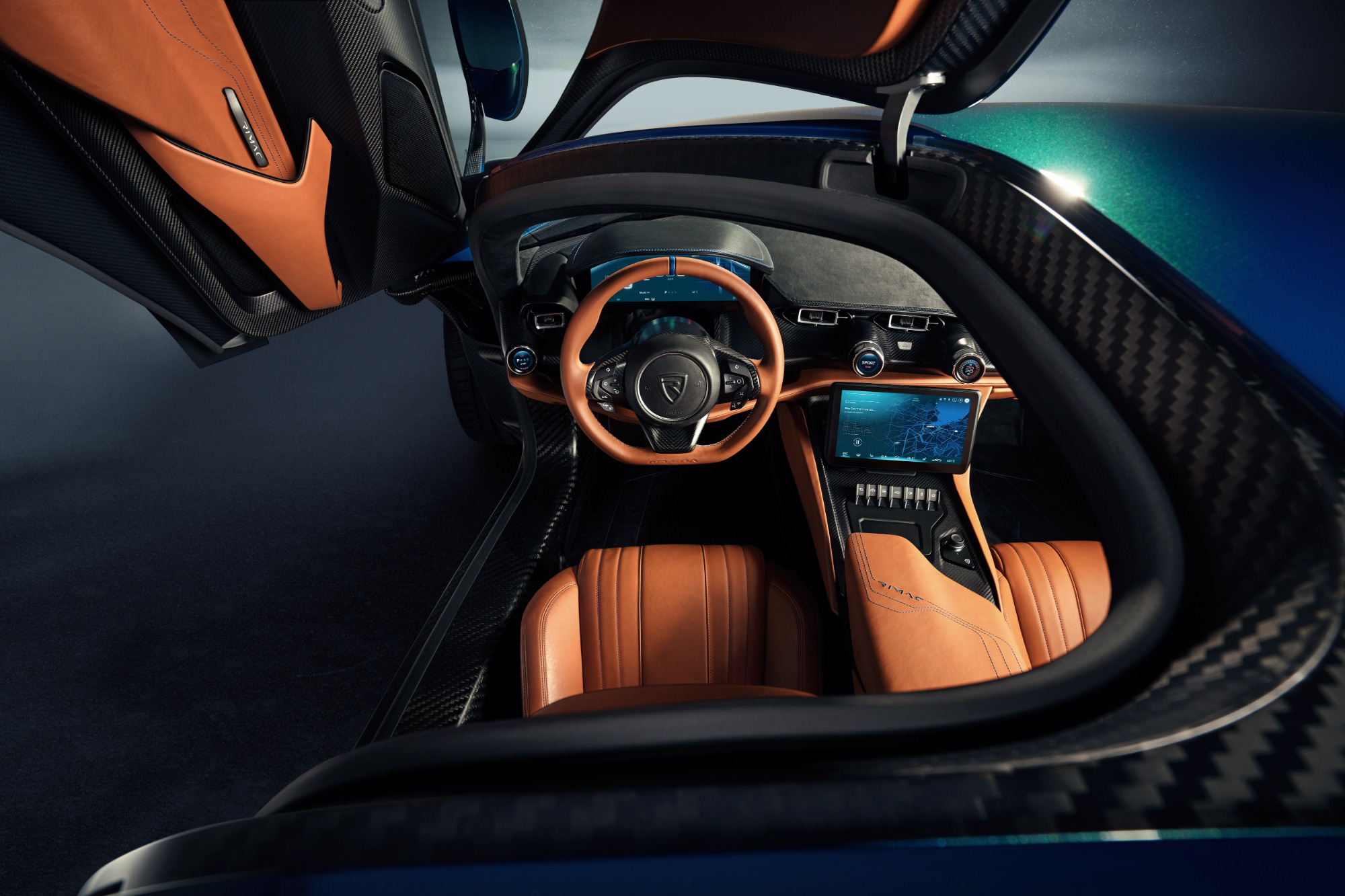
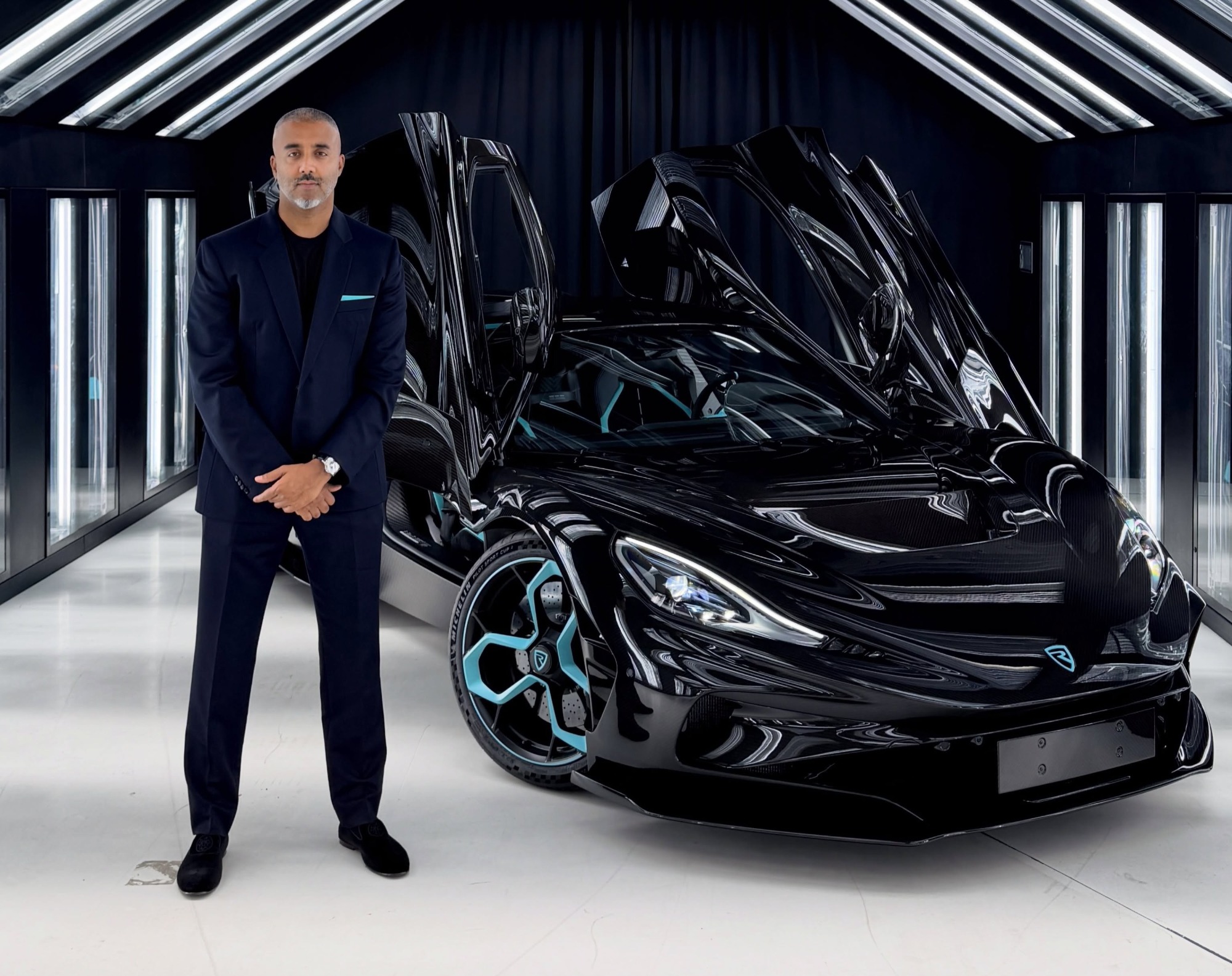
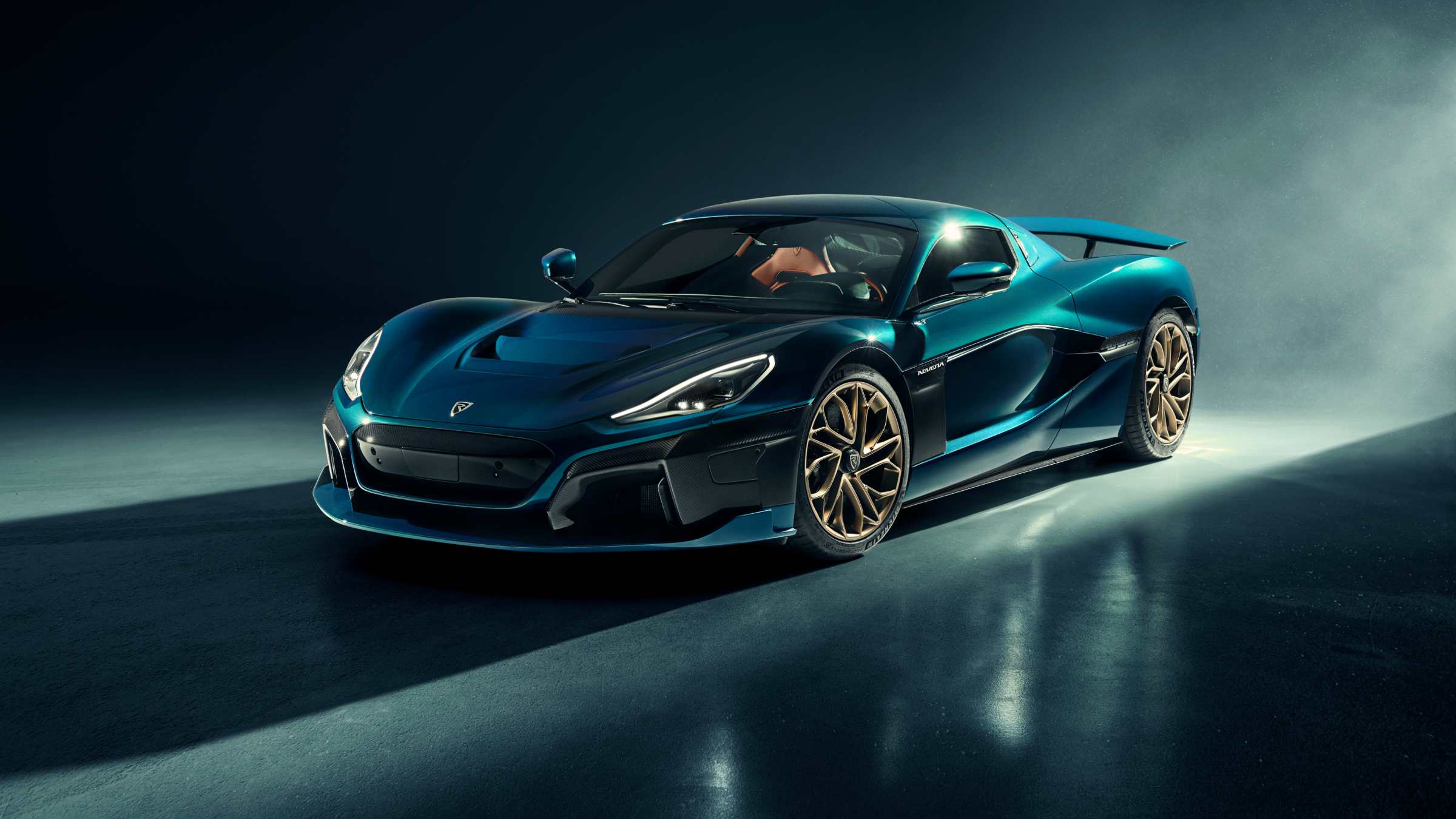
The Rimac Nevera is approaching the end of an extraordinary chapter, with the Croatian manufacturer confirming that production of its record-breaking electric supercar will conclude after just 71 examples. Originally intended to be produced in considerably greater numbers, the Nevera has ultimately struggled to attract the anticipated demand, despite establishing itself as one of the most technologically advanced and fastest-accelerating production cars ever created. Company founder Mate Rimac recently confirmed that the final examples are now being assembled, with production scheduled to conclude before the end of 2026.
The announcement brings an unexpectedly early conclusion to a project that helped transform Rimac from an ambitious Croatian start-up into one of the most influential names in modern automotive engineering. Since customer deliveries began in 2022, just 51 examples of the original Nevera have been produced, alongside a further 20 examples of the more powerful Nevera R, which remains in its final stages of assembly.
A SHORTER PRODUCTION RUN THAN EXPECTED When the Nevera was first previewed as the C_Two concept in 2018, Rimac announced plans to produce 150 examples of its groundbreaking electric supercar. The subsequent introduction of the Nevera R in 2024 brought an additional proposed allocation of 40 cars, taking the combined production potential to 190 examples.
However, the final figure of just 71 cars represents little more than a third of that combined total. According to Mate Rimac, the company is currently completing the final 10 Nevera R examples, with all remaining deliveries expected to take place before the end of the year.
Despite falling considerably short of the original targets, Rimac remains positive about the model's achievements. In a recent social media video, he described the Nevera as the world's best-selling electric supercar of its class, emphasising its importance in establishing the company's reputation and supporting the development of future projects, including the Bugatti Tourbillon.
RECORD-BREAKING PERFORMANCE Although its commercial success may not have matched expectations, the Nevera's technical achievements remain extraordinary. Powered by four independently controlled electric motors, the original car produces an astonishing 1914hp and 2340nm of torque, delivered through a sophisticated all-wheel-drive system with advanced torque vectoring.
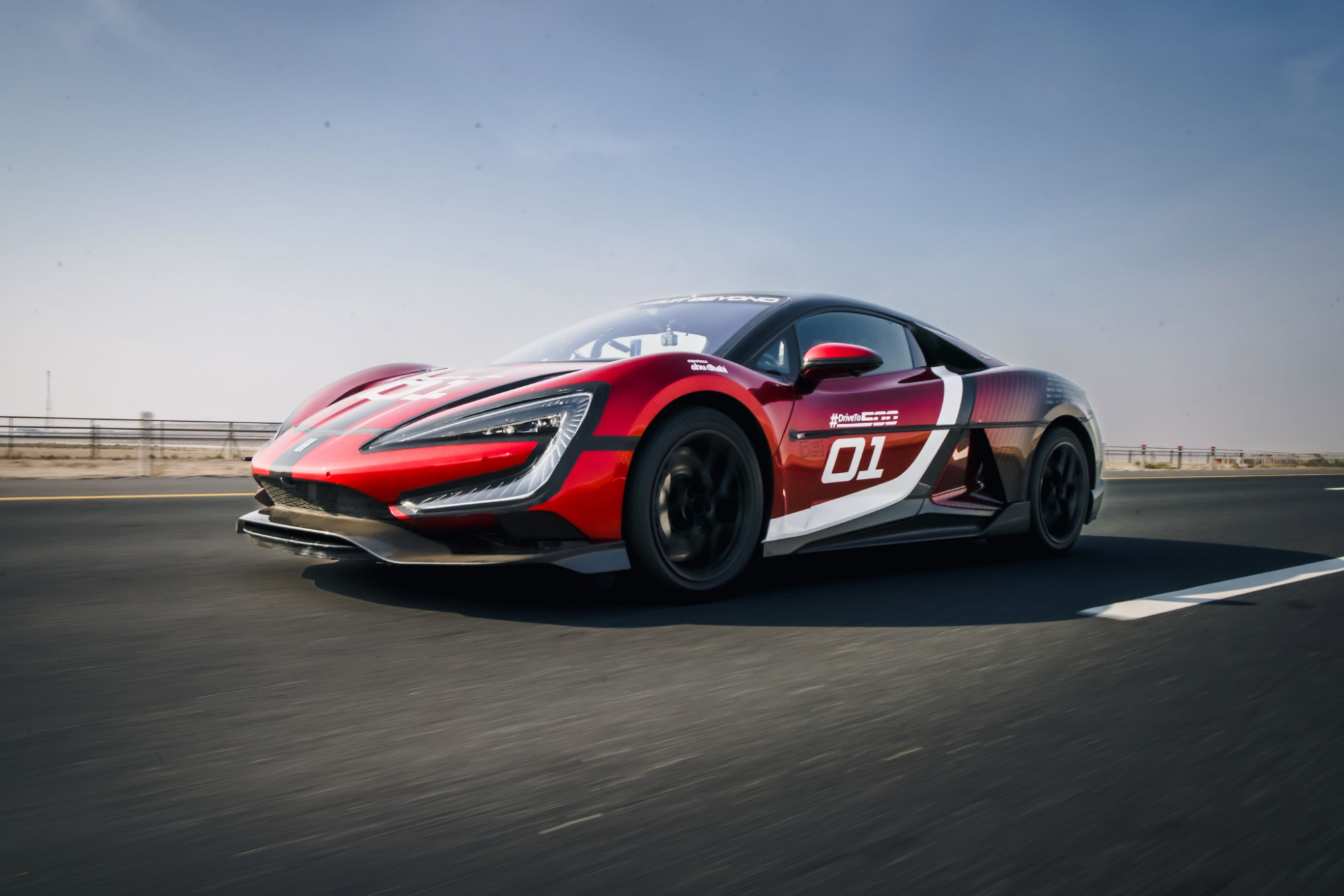
Its performance figures are equally remarkable, with acceleration from 0-62mph (0-100km/h) taking just 1.81 seconds and a top speed of approximately 256mph (412km/h). In May 2023, the Nevera famously established 23 performance records in a single day, including completing the 0-249mph (0-400km/h) acceleration and braking test in just 29.93 seconds.
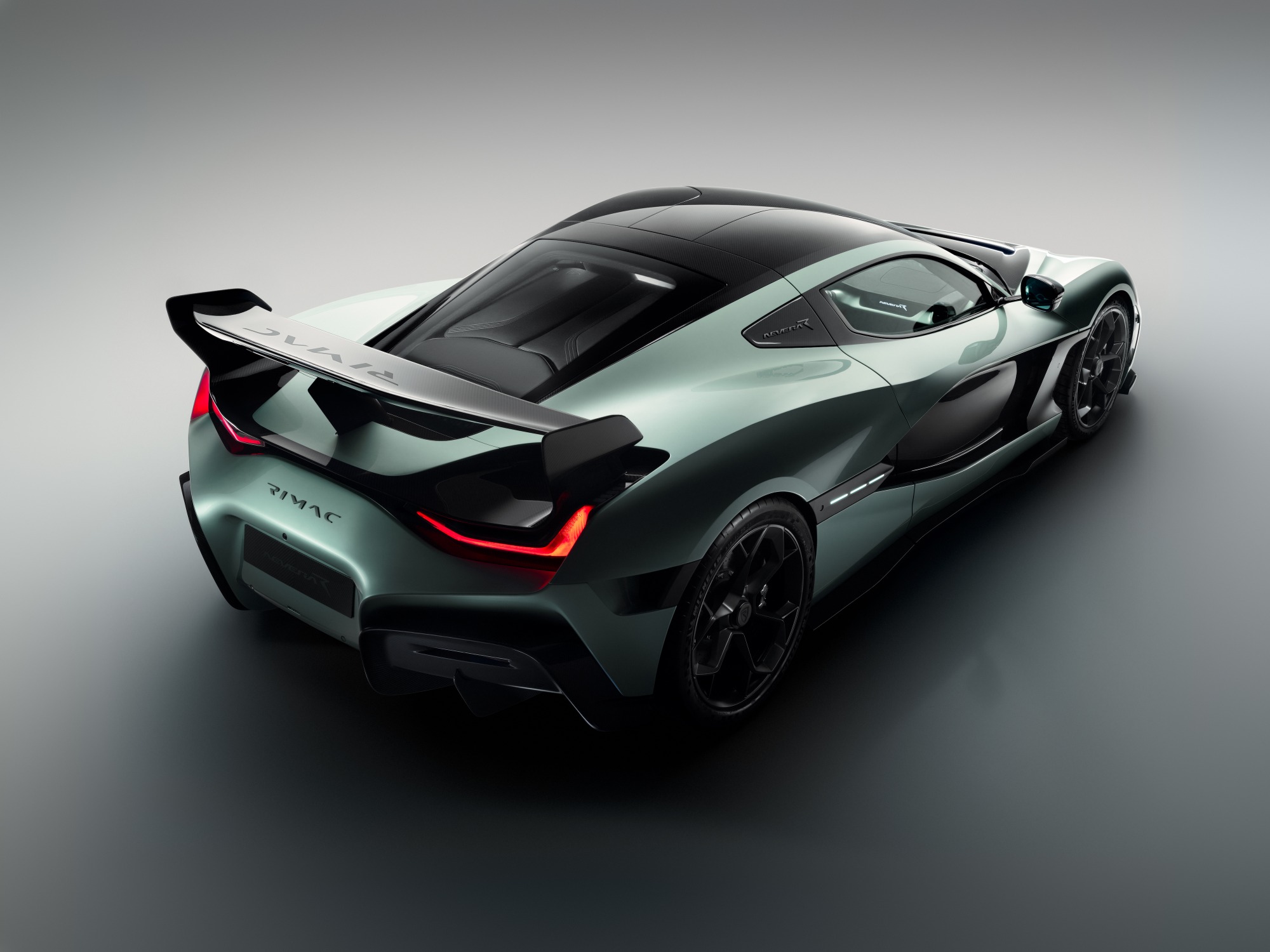
The more extreme Nevera R subsequently elevated performance even further, increasing output to 2107hp and introducing revised aerodynamics, suspension and braking systems. Capable of accelerating from 0-62mph (0-100km/h) in approximately 1.72 seconds, the R also achieved a remarkable top speed of 268mph (431km/h), reinforcing Rimac's position among the world's leading performance manufacturers.
THE CHALLENGE OF SELLING ELECTRIC SUPERCARS The Nevera's unexpectedly short production run also highlights a fascinating challenge facing the exclusive supercar market. While electric powertrains offer extraordinary acceleration and technological sophistication, buyers spending millions on highly collectible vehicles often place considerable importance on mechanical character, engine sound and the emotional experience associated with traditional combustion engines.
For many collectors, the appeal of a naturally-aspirated V12 or high-revving V8 extends far beyond outright performance figures. The Nevera's extraordinary capabilities have therefore not necessarily translated into the same level of customer demand enjoyed by some similarly exclusive combustion-powered rivals.
Nevertheless, its reduced production numbers may ultimately contribute to the car's long-term collectability. With just 51 standard examples and 20 Nevera Rs destined to exist, the model will be considerably rarer than originally intended, although whether that exclusivity translates into stronger resale values remains uncertain.
AN IMPORTANT LEGACY FOR RIMAC Despite the Nevera's departure, its influence on the wider automotive industry remains undeniable. The project helped establish Rimac as a major force in advanced electric powertrain development, laying the foundations for the company's growing engineering operations and its partnership with Bugatti.
Today, Rimac's activities extend far beyond producing its own supercars. Through Rimac Technology, the company develops sophisticated battery systems, electric motors and other components for major automotive manufacturers, while the Bugatti Rimac venture is preparing to deliver the extraordinary V16-powered Tourbillon.
Although no direct replacement for the Nevera has been announced, the manufacturer's focus on advanced technology and engineering continues, ensuring that the expertise developed through the project will remain influential for years to come.
The Nevera's story ultimately presents an intriguing contrast between commercial expectations and technological achievement. While its production run will conclude considerably earlier than planned, its extraordinary collection of performance records and pioneering engineering have secured its place in automotive history.
After just 71 examples, the Rimac Nevera is preparing to bow out, leaving behind a legacy that extends far beyond the number of cars produced.