SOMEONE ASKED PAGANI TO DELIBERATELY SCRATCH THEIR SUPERCAR
2026-11-16By Clara Whitmore
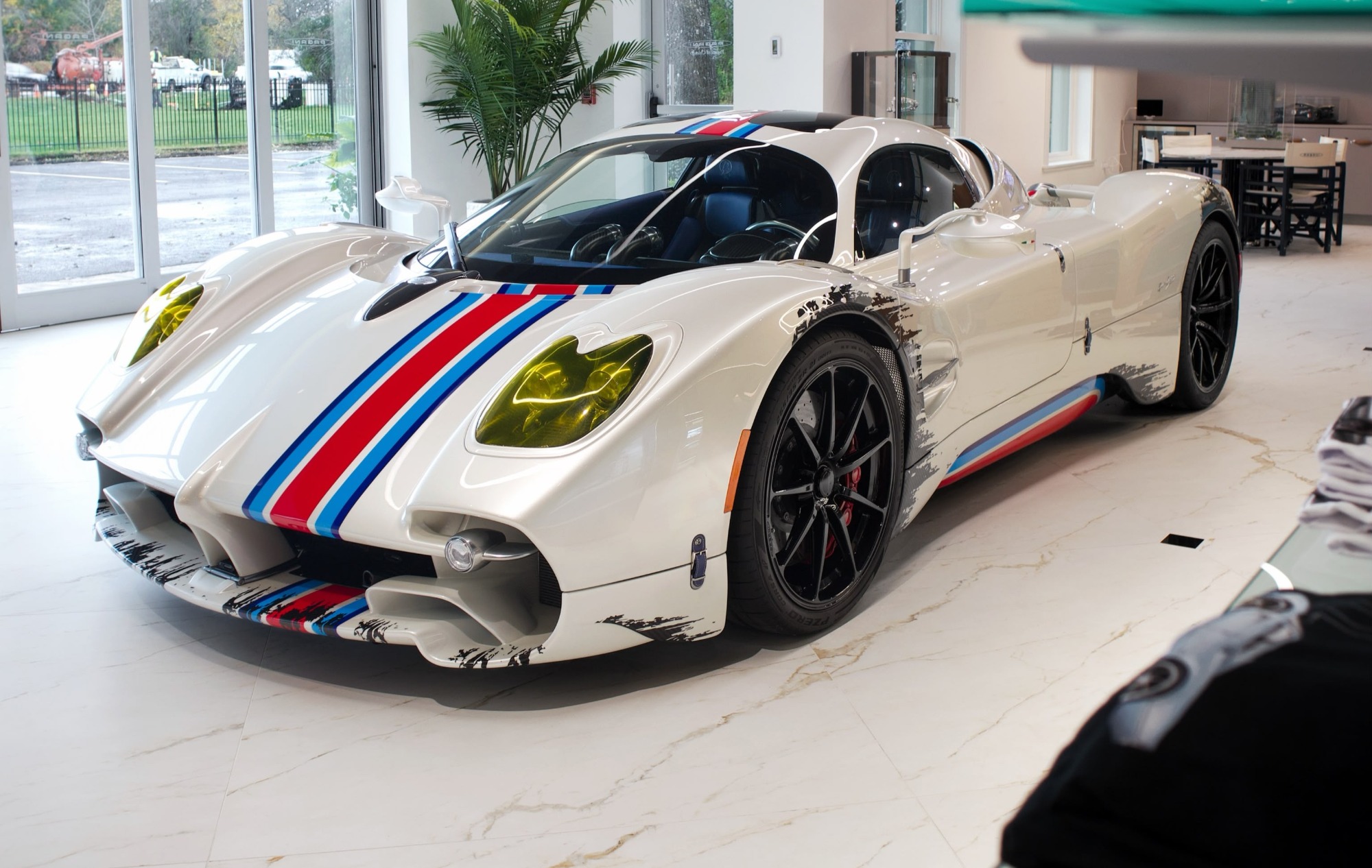
- Pagani's extraordinary one-off Utopia deliberately embraces scratches, dirt and racing-inspired damage
- A distinctive Martini-inspired livery conceals some remarkable bespoke details
- Created for an established Pagani collector, The Coyote challenges conventional ideas of automotive perfection
Most collectors would go to extraordinary lengths to protect their multi-million-dollar supercars from even the smallest scratch. However, one Pagani customer has taken an entirely different approach, commissioning a spectacular one-off Utopia deliberately designed to look battered, scratched and worn after an exhausting endurance race. Known as The Coyote, the extraordinary creation combines a distinctive Martini-inspired livery with carefully simulated damage, transforming one of the world's most meticulously crafted supercars into something that appears to have just completed the 24 Hours of Le Mans.
First revealed in July 2025, The Coyote was commissioned by an established Pagani collector who already owned two examples of the Italian manufacturer's creations. Rather than pursuing the flawless finishes and exposed carbon-fibre specifications typically associated with the marque, the customer wanted something considerably more unconventional, celebrating the character and battle scars of historic endurance racing machines.
PERFECTION THROUGH IMPERFECTION The Coyote's striking appearance begins with a Bianco Benny white exterior, complemented by Rosso Monza red, blue and turquoise racing stripes inspired by the iconic Martini Racing liveries of the past. The colourful graphics extend across the bonnet, roof and rear bodywork, creating a distinctive contrast against the Utopia's elegant proportions.
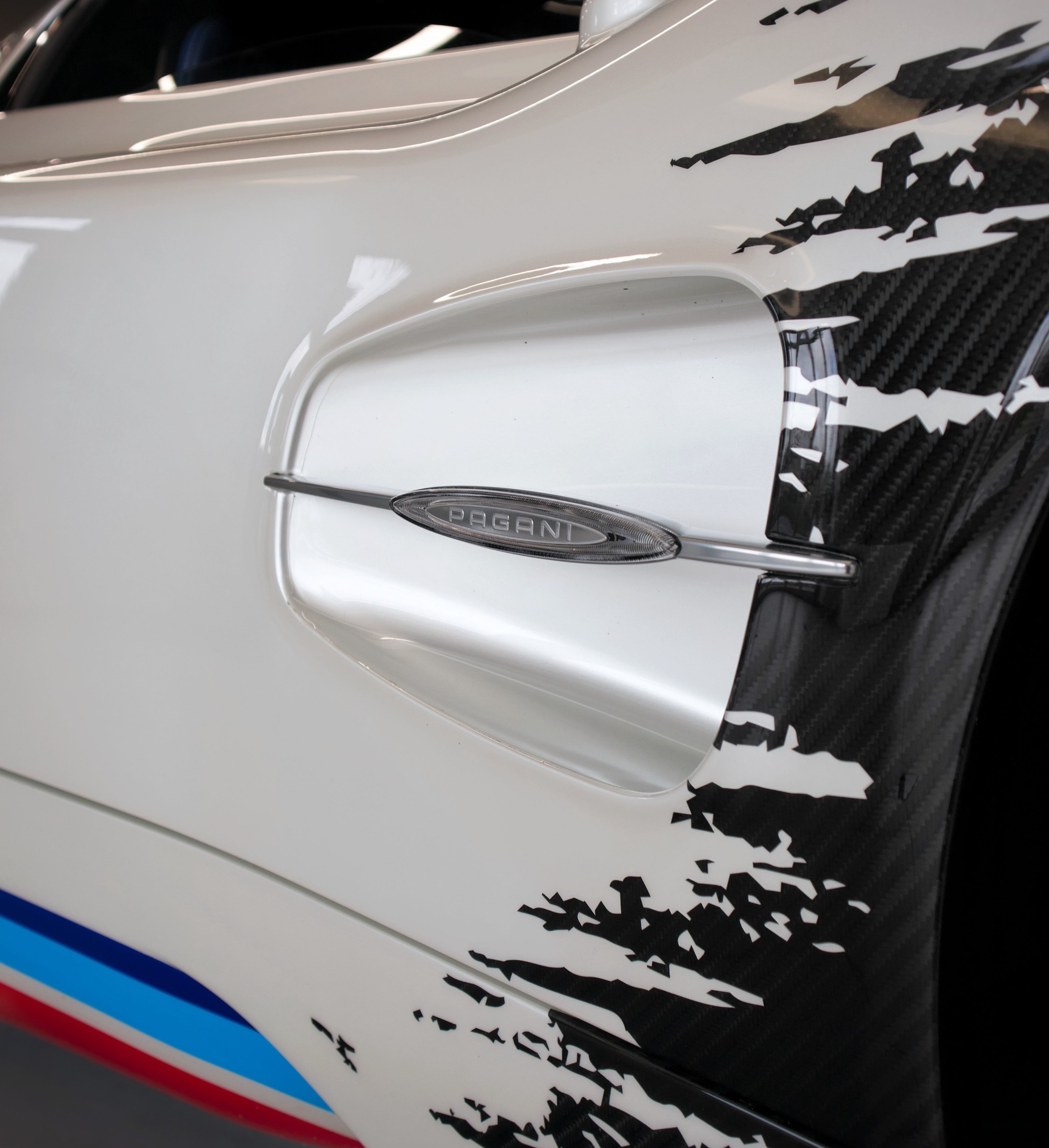
However, the most extraordinary details are the deliberately simulated scratches, scuffs and abrasions scattered across the bodywork. Around the front splitter, wheel arches, side skirts and rear bumper, sections of the white finish appear to have been torn away, exposing the intricate carbon-fibre weave beneath. The effect imitates the damage accumulated during a gruelling endurance race, with carefully designed markings resembling gravel rash, dirt and contact with other competitors.
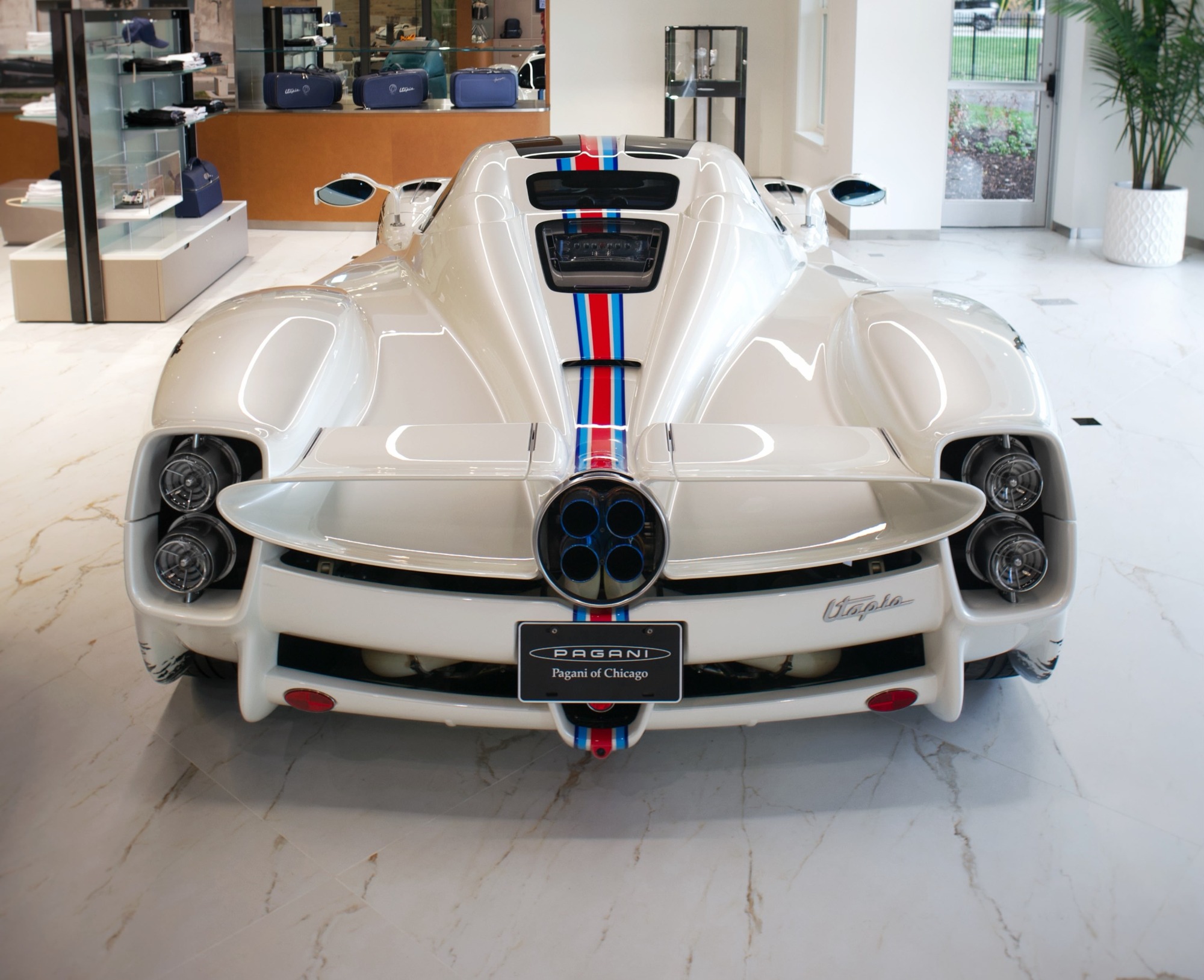
Crucially, these are not the result of actual accidents or neglect. Every mark is intentional, with the exposed carbon-fibre sections and carefully applied graphics creating the illusion of a heavily used racing machine while preserving the car's pristine underlying condition. Additional details include black alloy wheels, contrasting red front and blue rear brake callipers, and a distinctive heat-treated appearance on Pagani's signature quadruple exhaust. Together, these elements give The Coyote an unusually purposeful character, contrasting sharply with the immaculate finishes normally associated with bespoke Italian supercars.
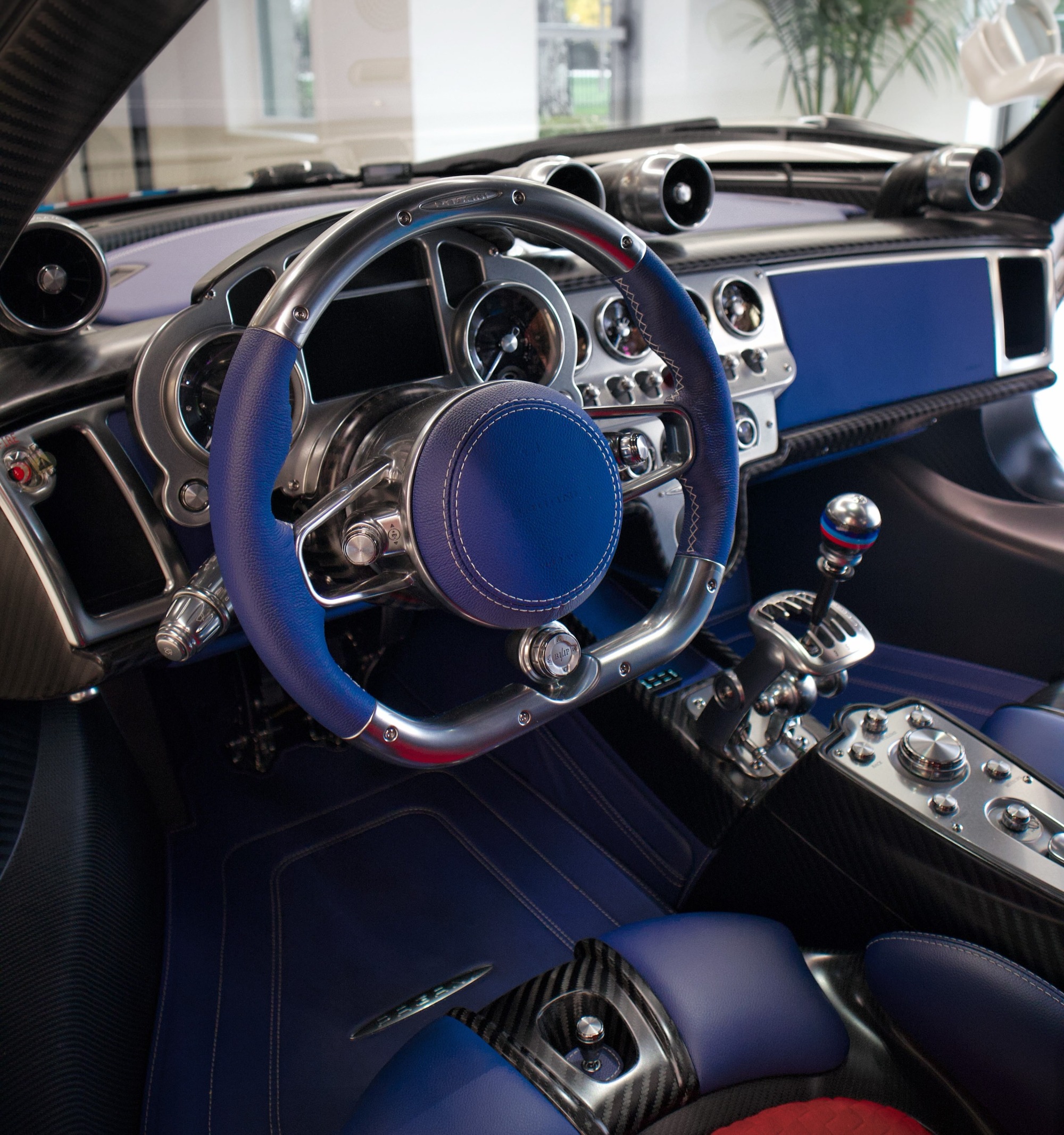
A BESPOKE CABIN WITH RACING INFLUENCES The unique specification continues inside, where the cabin features blue leather upholstery with contrasting white stitching, complemented by red and turquoise inserts inspired by the exterior livery. The distinctive colour scheme extends to the gear knob, while extensive exposed carbon fibre and beautifully machined aluminium components preserve the Utopia's signature craftsmanship.
Unlike the deliberately weathered exterior, the interior remains beautifully finished, providing a fascinating contrast between the appearance of motorsport brutality and the meticulous attention to detail for which Pagani is renowned.
V12 PERFORMANCE Beneath its deliberately distressed exterior, The Coyote retains the Utopia's formidable mechanical foundations. Power comes from a Mercedes-AMG-developed 6.0L twin-turbocharged V12 producing 864hp and 1100nm of torque, delivered exclusively to the rear wheels through a seven-speed manual gearbox.
Despite its dramatic appearance, the one-off creation receives no additional mechanical or performance upgrades. Its lightweight Carbo-Titanium construction, sophisticated suspension and formidable V12 remain unchanged, preserving the driving experience of the standard Utopia, which is electronically limited to 217mph (350km/h).
With just 99 examples of the Utopia Coupé originally allocated for production, The Coyote represents an exceptionally individual interpretation of an already rare machine.
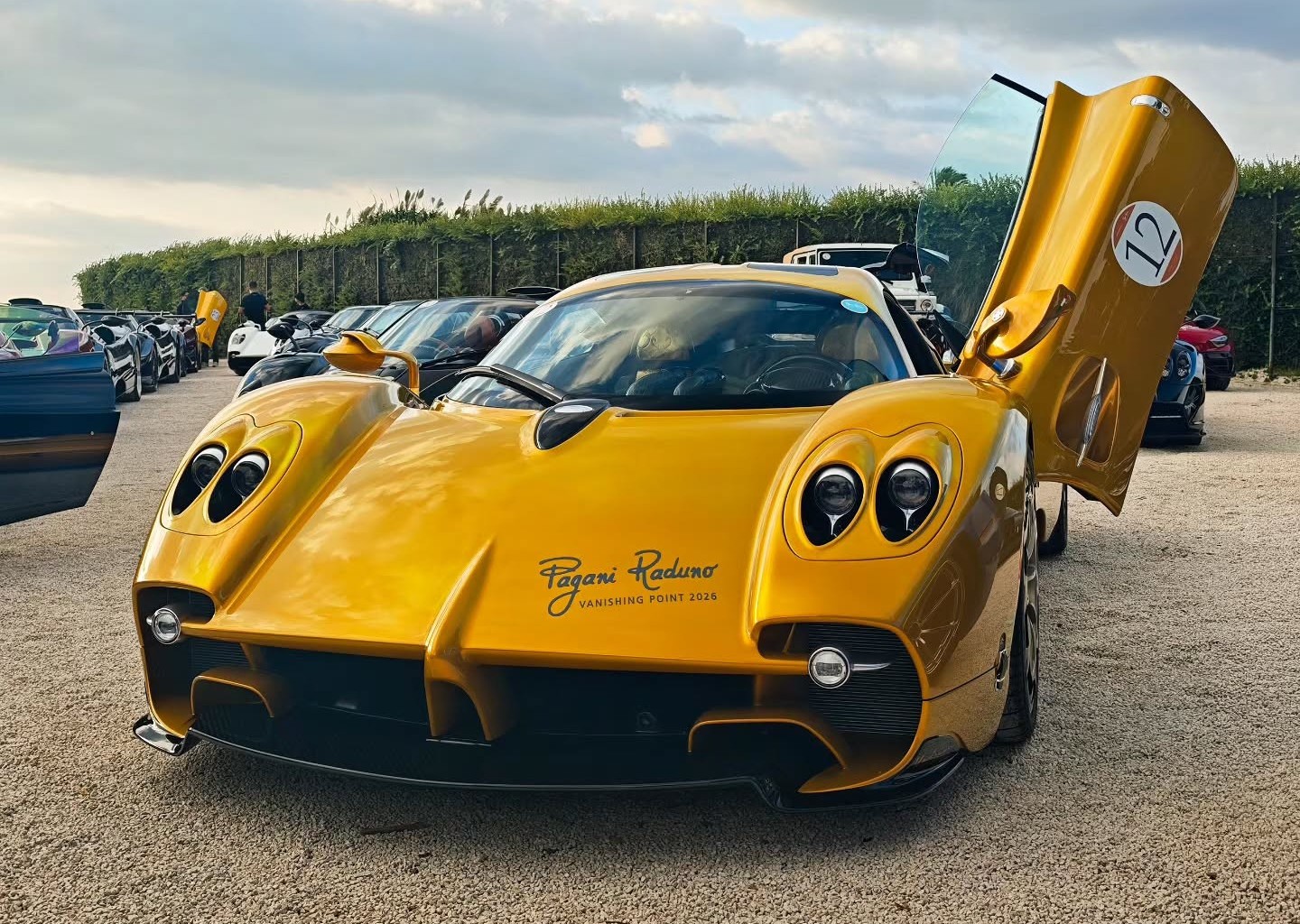
AUTOMOTIVE ART Although Pagani has not disclosed the cost of the commission, the standard Utopia originally carried a starting price of approximately $2.2 million, with extensive bespoke personalisation capable of adding considerably to the final figure. Following its initial unveiling, The Coyote was delivered to its owner during a Pagani Raduno gathering in 2025, providing enthusiasts with a rare opportunity to admire its remarkable finish outside the studio.
The creation also demonstrates the extraordinary freedom offered through Pagani's bespoke commissioning process. While most collectors pursue immaculate paintwork, elaborate carbon-fibre finishes and increasingly extravagant materials, The Coyote embraces the opposite philosophy, celebrating the imperfections associated with genuine motorsport history.
Its unconventional appearance has understandably divided opinion, with some admiring its creativity and others questioning the decision to make an immaculate supercar appear damaged. Nevertheless, that controversy is arguably part of its appeal. For a manufacturer whose creations are often regarded as rolling works of art, The Coyote offers a fascinating interpretation of automotive individuality. Rather than allowing time and mileage to create its character, Pagani has carefully crafted a story directly into the bodywork, proving that sometimes even deliberate imperfections can become a form of perfection.