BENTLEY JUST UNVEILED ITS FIRST ELECTRIC CAR: THE TORCAL
2026-09-24By Supercars.org Editorial Team
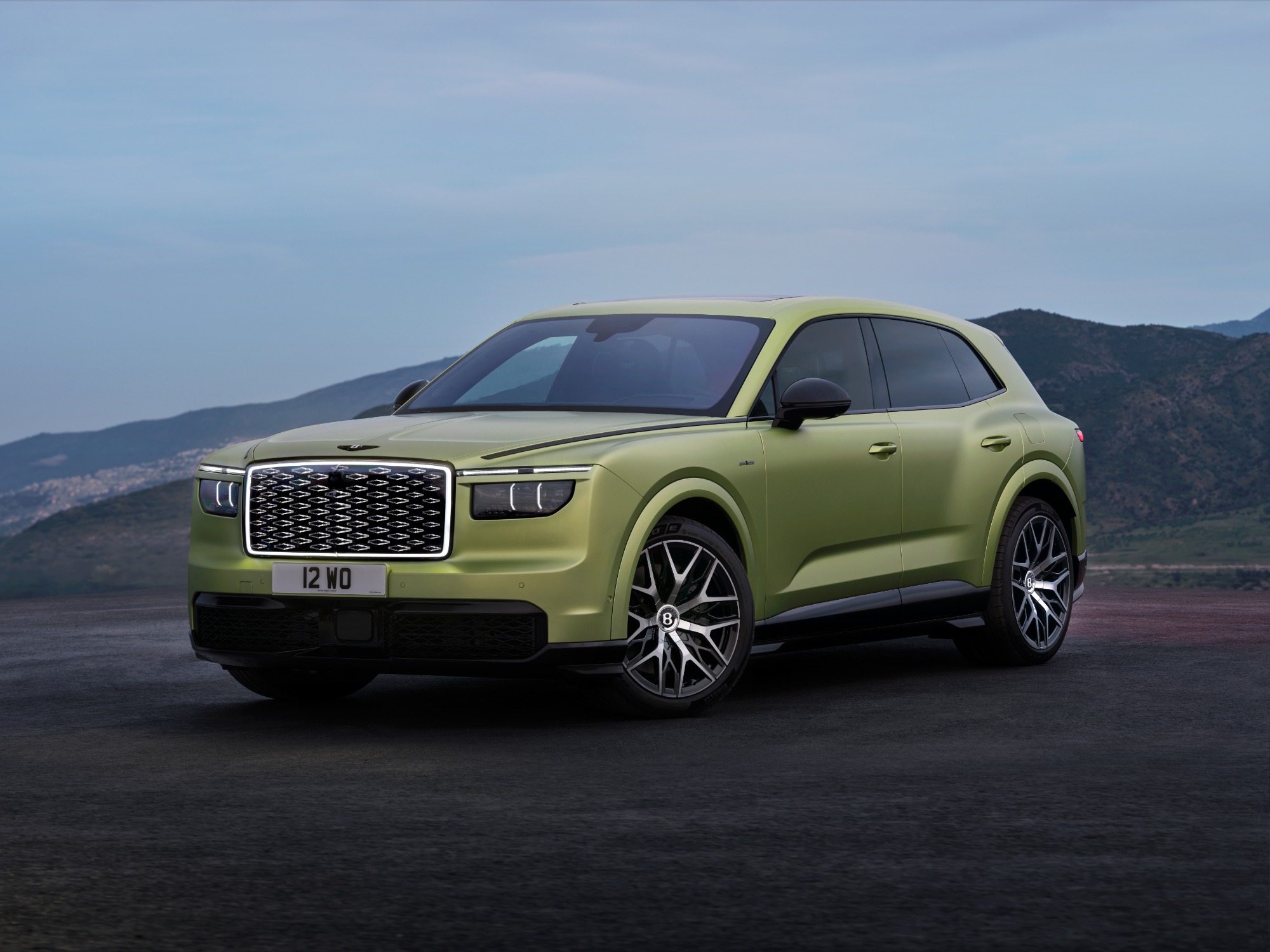
- Bentley's first fully electric production car arrives
- Claimed range of 375 miles and 400kW charging
- Prices start at around $230,000
Bentley has taken a major step into the electric age with the Torcal, its first fully electric production model. Sitting alongside the Continental GT, Flying Spur and Bentayga as Bentley’s fourth model line, the Torcal is a five-seat SUV designed to combine the company’s traditional luxury and effortless performance with a completely electric powertrain. Its name comes from El Torcal de Antequera, the dramatic limestone landscape in southern Spain.
SERIOUS PERFORMANCE AND RANGE Electric certainly doesn’t mean slow. Bentley describes the Torcal as its most powerful and fastest-accelerating production car yet, with the range offering up to around 876bhp and the quickest version capable of 0-62mph in roughly three seconds. More importantly for everyday use, Bentley claims up to 375 miles of range, while a 400kW rapid charger can take the battery from 10 to 80 per cent in around 16 minutes.
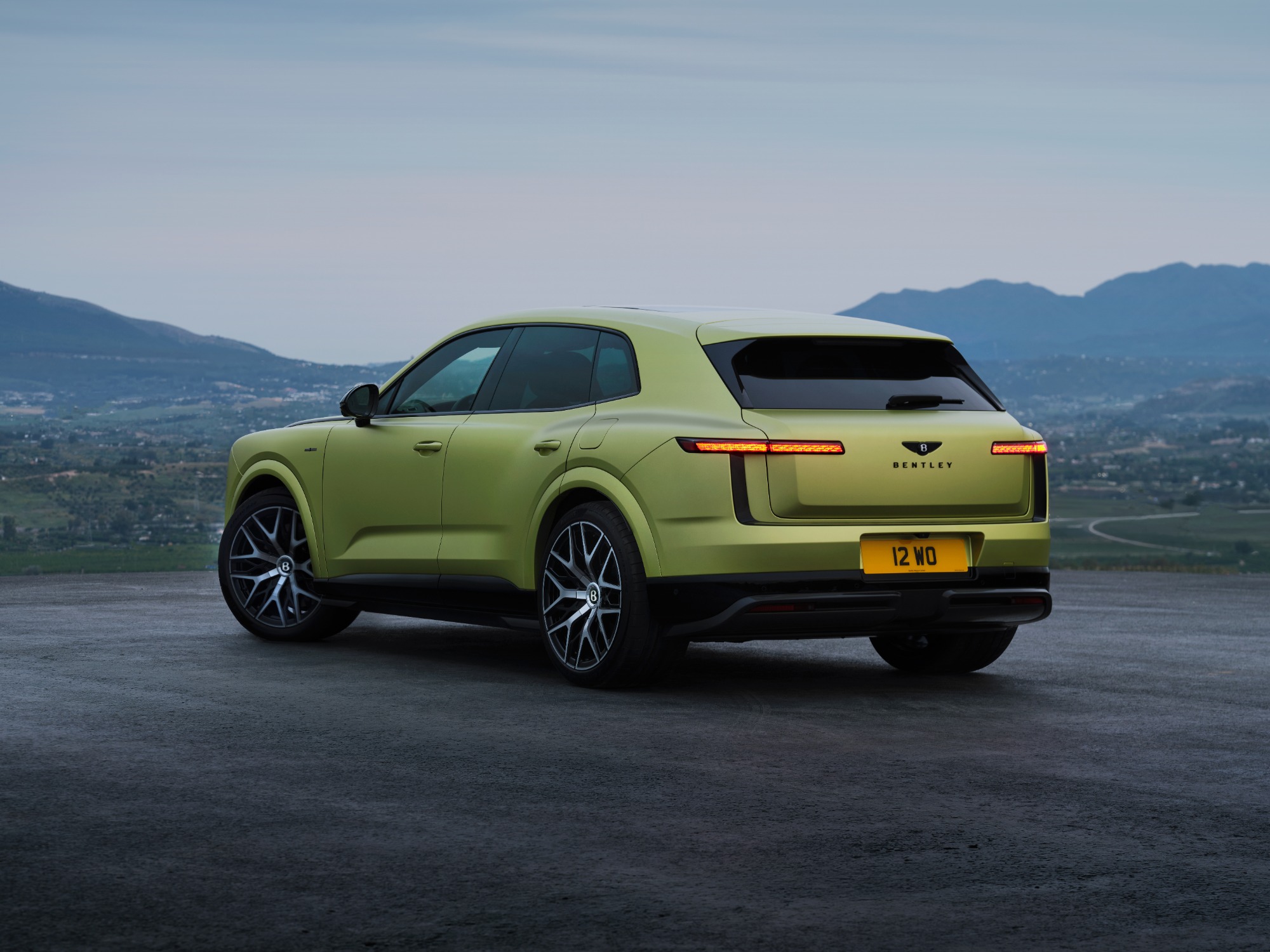
Bentley has also tried to give its EV a character of its own rather than simply making it silent. Its specially developed driving soundtrack uses recordings of real instruments, including drums, viola and bass guitar, to create an acoustic experience inspired by the character of Bentley’s famous combustion engines.
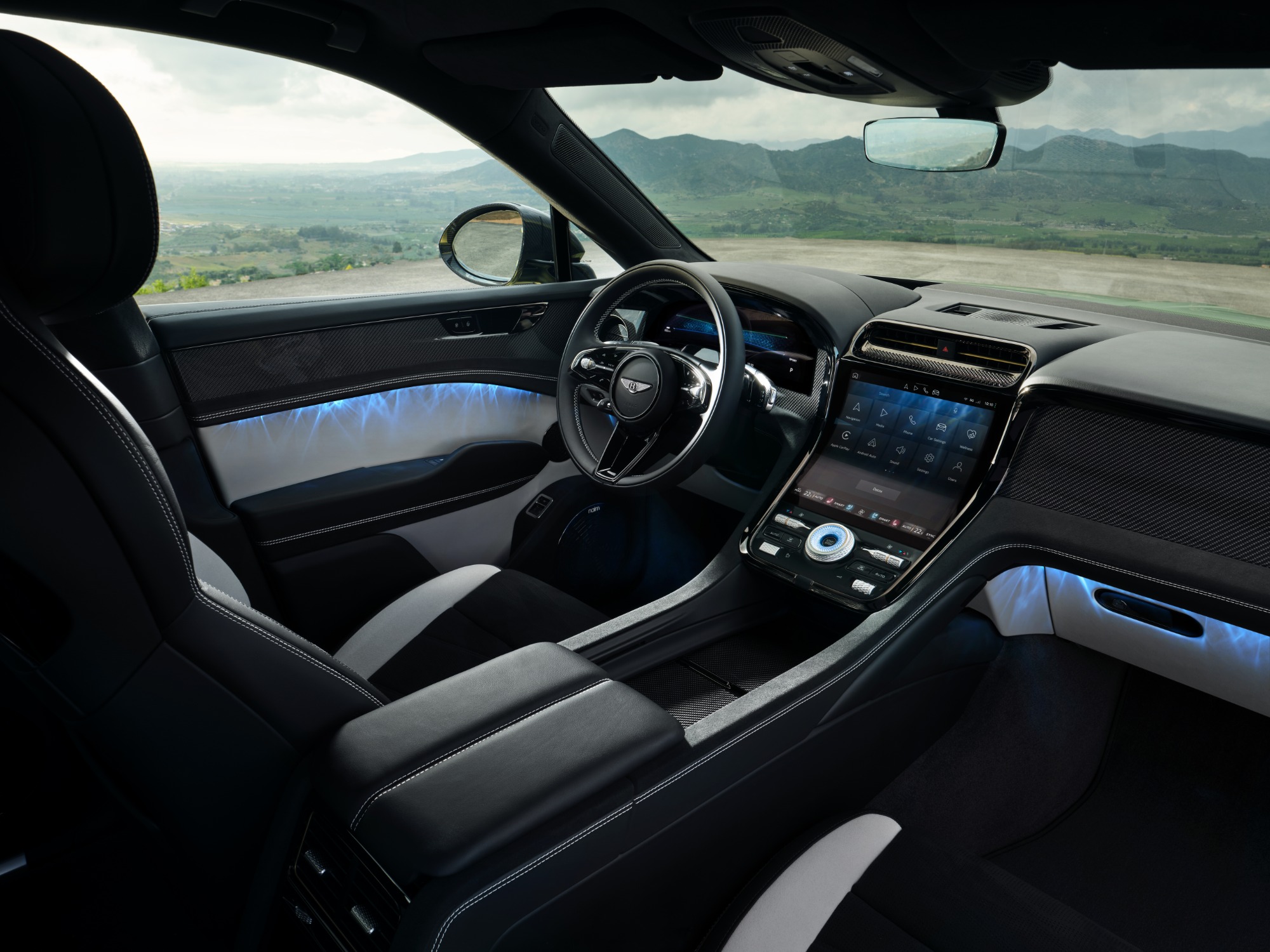
A NEW ERA OF LUXURY nside, the Torcal combines Bentley’s familiar craftsmanship with a more technology-focused approach, including systems that can alter lighting, climate, sound, air quality and digital displays together to change the atmosphere of the cabin. It’s an unusually modern take on Bentley luxury, but the goal is familiar: make huge performance feel calm and effortless.
With prices beginning at around $230,000 and deliveries expected from 2027, the Torcal isn’t simply another new Bentley. It is the model tasked with showing that the qualities the brand is known for can survive — and potentially thrive — without a petrol engine.